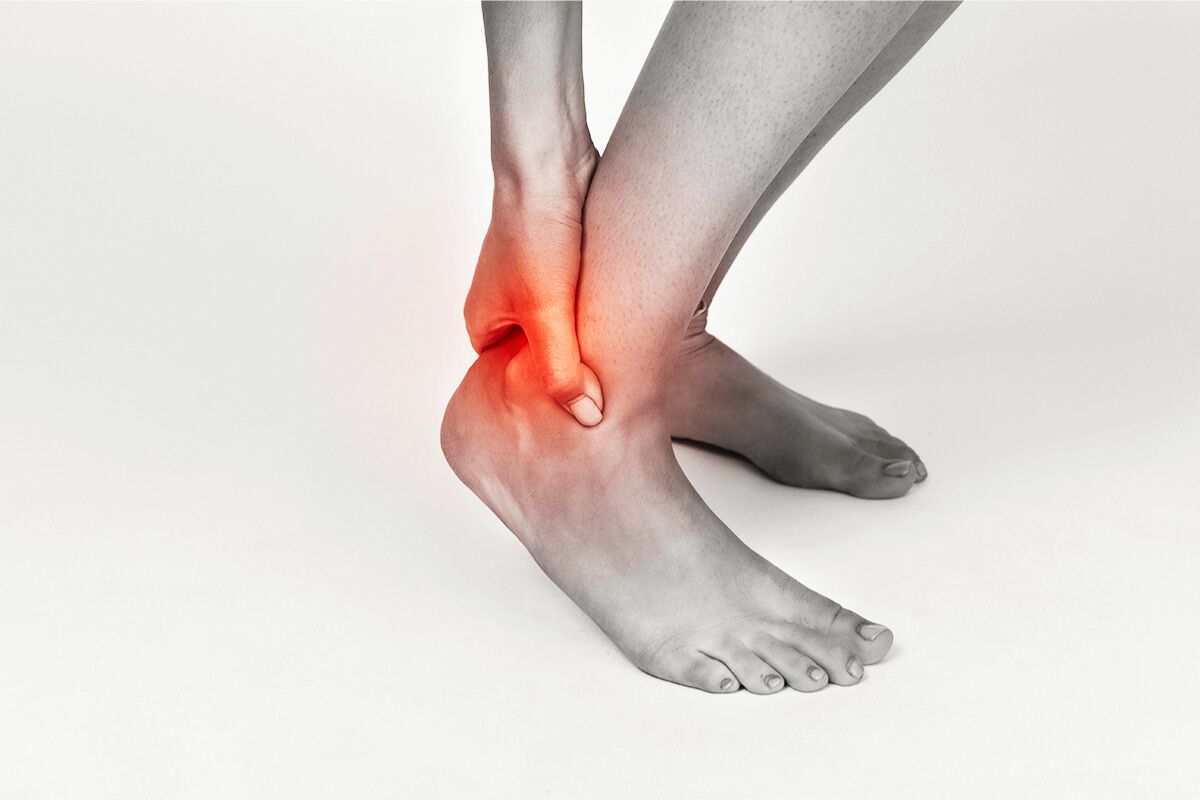
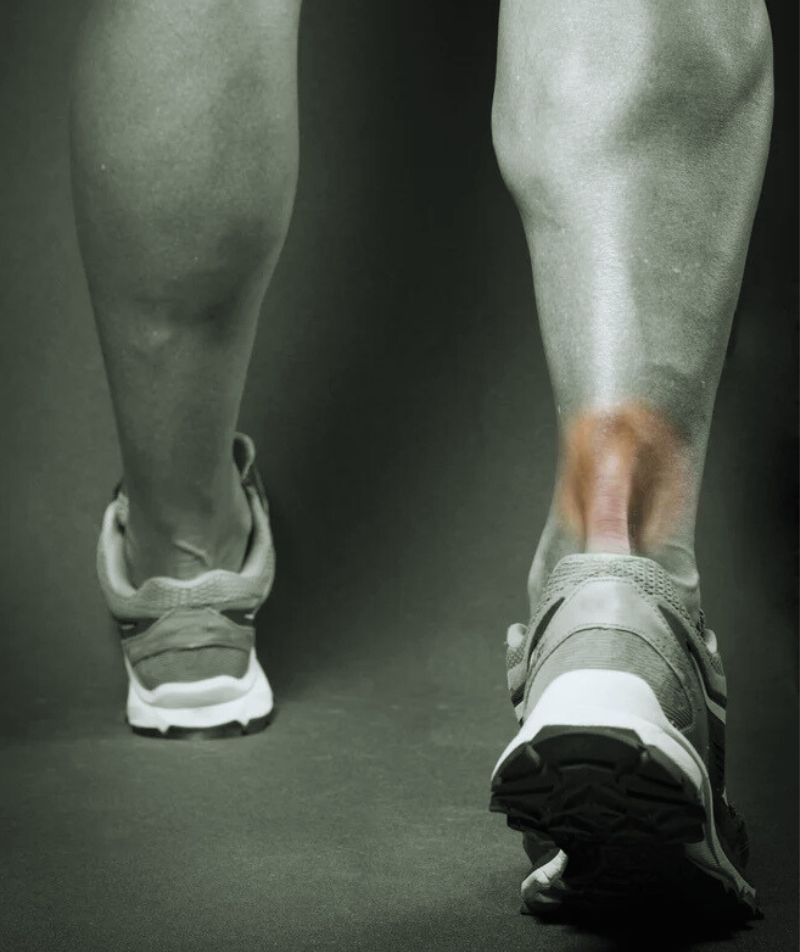
The Achilies tendon joins the calf muscle to the heel bone (calcaneum) and runs down the back of the lower leg. When this tendon is put under excess or extreme stress it becomes inflamed. This condition is called achilies tendonitis. This condition results from the micro tears occurimg im the tendon during stress, high impact exercises eg. In atheletes. This small micro traumas may lead to the rupture of tendo- achilies if not taken due care. Diagnosis can be made by physical examination and/or sonography. MRI is also useful tool for diagnosis of rupture. Treatment depends on the severity of the diseased tendo-achilies. It is in form of rest, change in exercises, ice application, elevation, calf strechting, B/L heel dips, etc if found to be a mild variety. Moderate deformities can be cured by compression bandaging, orthotic uses and ESWT (extra-corporal shock wave therapy). Extreme cases like rupture can be treated with repair, debridement and repair or replacing the tendo-achilies with another tendon (FHL). The treatment also depends of grading of tendonitis into insertional and non- insertional tendonitis.

Reasons Behind Achilles Tendonitis
Achilles Tendonitis is commonly caused by excessive strain or repetitive stress. Contributing factors include:
- Sudden increase in physical activity (especially running or jumping)
- Improper footwear lacking heel support
- Tight calf muscles or poor flexibility
- Flat feet or high arches affecting tendon load
- Age-related degeneration (common in men aged 30–50)
- Sports like tennis, basketball, football, or running
- Lack of warm-up or stretching before activity
Treatment Options for Achilles Tendonitis
- Rest and ice therapy to reduce inflammation
- Anti-inflammatory medications
- Heel lifts or orthotic supports to reduce tendon stress
- Stretching and strengthening exercises
- Physical therapy, including ultrasound or shockwave therapy
- Platelet-Rich Plasma (PRP) therapy for chronic cases
- Surgical repair for chronic tears or severe damage
How Dr. Parth Parekh Can Help You
- Thorough clinical assessment and imaging (Ultrasound/MRI)
- Creation of personalised rehab protocols based on the patient’s lifestyle, activity, and condition
- Use of advanced therapies like PRP and shockwave treatment
- Expertise in minimally invasive or open surgery for severe tendon injuries
- Post-treatment strengthening and return-to-sport guidance
Persistent heel pain isn’t normal consult Dr. Parth Parekh today to prevent long-term damage and get back on your feet pain-free!
Types of sports injuries
Some of the more common sports injuries include:

Ankle sprain
symptoms include pain, swelling and stiffness.

Cuts and abrasions
are usually caused by falls. The knees and hands are particularly prone.

Bruises
a blow can cause small bleeds into the skin

Stress fractures
Particularly in the lower limbs.