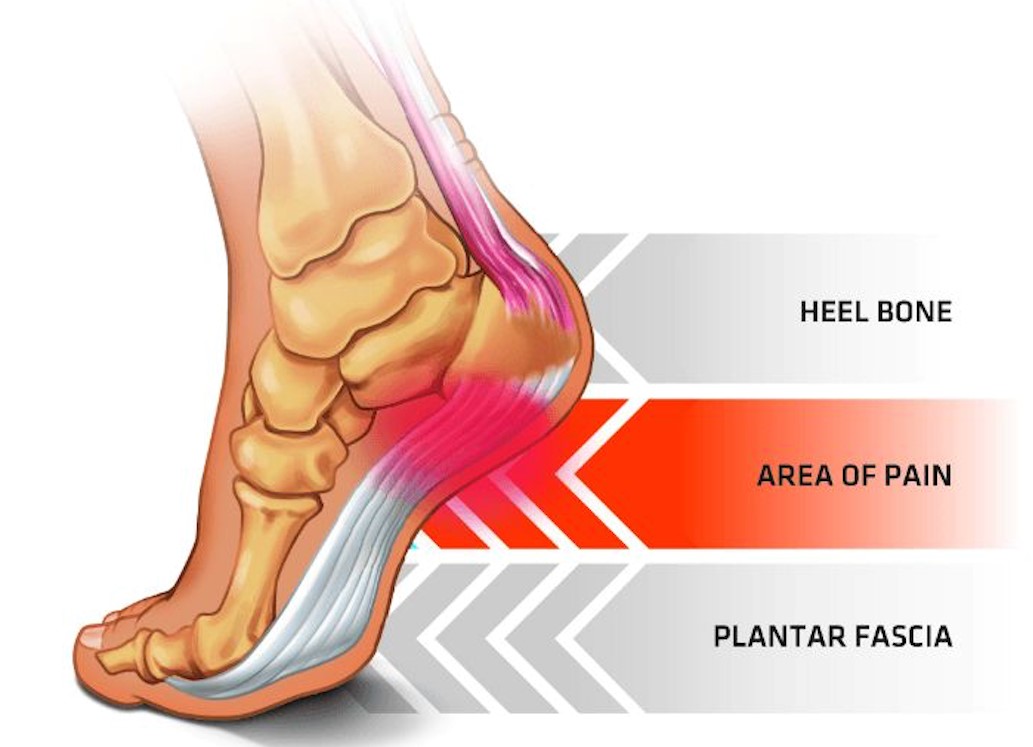
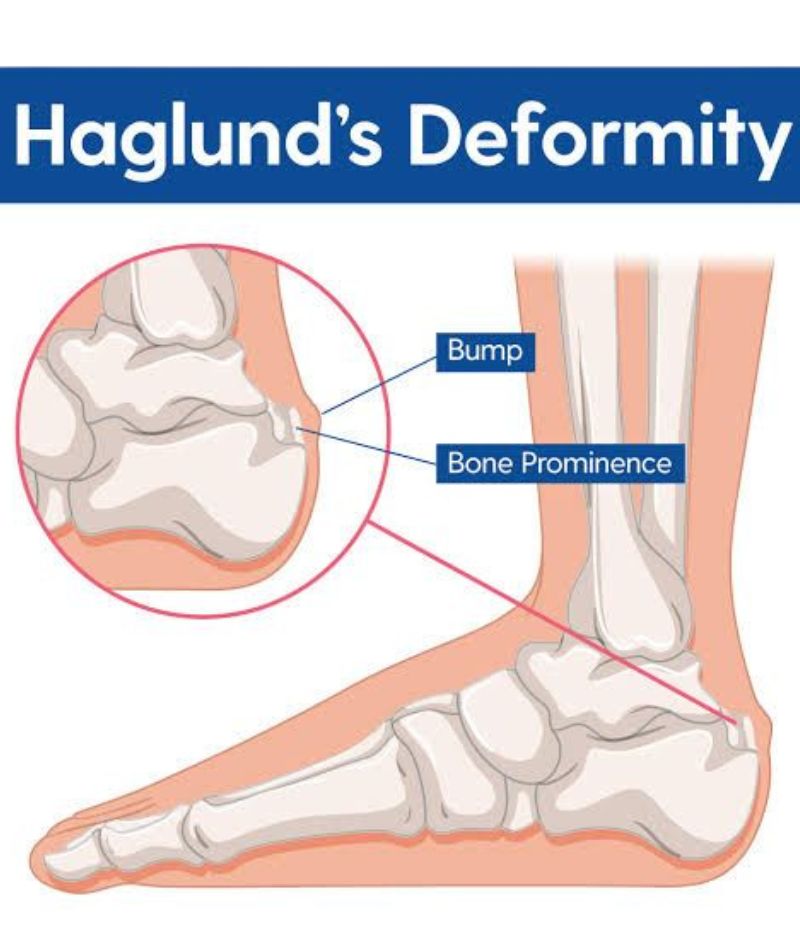
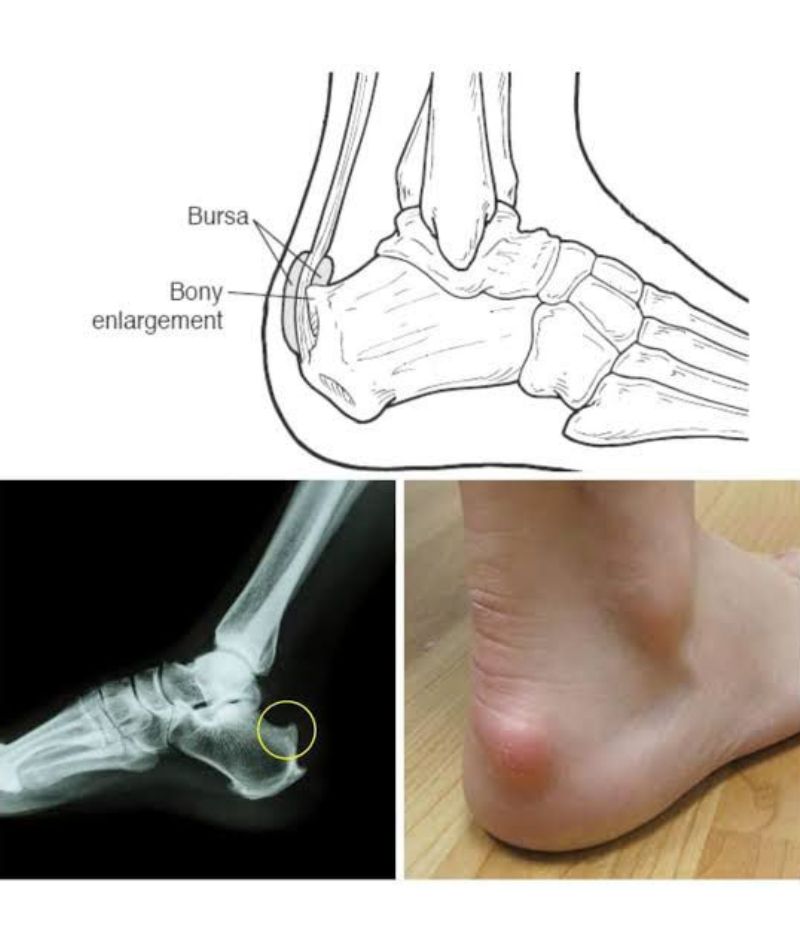
It is a hard bony enlargement which is situated at the back of the heel. There is a tendon known as tendo-achilies, which is important to raise the heel, situated between the enlargement and the skin. So, whenever the subject with this deformity wears hard back shoes, the enlargement runs against the soft tissues and the tendon which gives rise to micro trauma and tears. This gives rise to immense pain and swelling in this particular region and in the long run may lead to rupture. Diagnosis is made by history taking and physical examination as well as X-rays. The rupture can be detected by sonography and MRI. Mostly treated by conservative methods like heel pads and heel lifts, local ice application, stretching exercises and/or avoiding up heel tasks. When it is a chronic problem, it needs surgical intervention in the form of excision.
Reasons Behind Haglund’s Deformity
- High-arched (cavus) foot that increases pressure on the heel
- Tight Achilles tendon or calf muscles pulling on the heel bone
- Genetic predisposition to a prominent calcaneal tuberosity
- Improper or rigid footwear (e.g., rigid-backed shoes or high heels)
- Overuse from activities like running or jumping that irritate the back of the heel
- Repetitive friction leading to bursal swelling
Treatment Options for Haglund’s Deformity
- Heel lifts or orthotic inserts to reduce pressure on the bump
- Stretching of calf muscles and Achilles tendon to decrease tension
- Icing and NSAIDs to address pain and inflammation
- Padding or heel cups to cushion the area
- Physical therapy including soft-tissue mobilization and ultrasound
- Corticosteroid injection into the inflamed bursa (with caution)
- Endoscopic or open surgical resection of the bony prominence in refractory cases
How Dr. Parth Parekh Can Help You
- Comprehensive clinical evaluation and imaging (X-ray/MRI)
- Identification of primary causative factors (e.g., tight tendon, foot biomechanics)
- Customized non-surgical protocol emphasizing stretching, orthotics, and activity modification
- Expertise in minimally invasive surgery for precise removal of the deformity
- Structured post-operative rehabilitation to restore full function and prevent recurrence
His specialized focus on heel pathologies ensures you receive world-class foot and ankle care. Don’t let heel pain hold you back—book a consultation with Dr. Parth Parekh today and step into lasting comfort!
Types of sports injuries
Some of the more common sports injuries include:

Ankle sprain
symptoms include pain, swelling and stiffness.

Cuts and abrasions
are usually caused by falls. The knees and hands are particularly prone.

Bruises
a blow can cause small bleeds into the skin

Stress fractures
Particularly in the lower limbs.