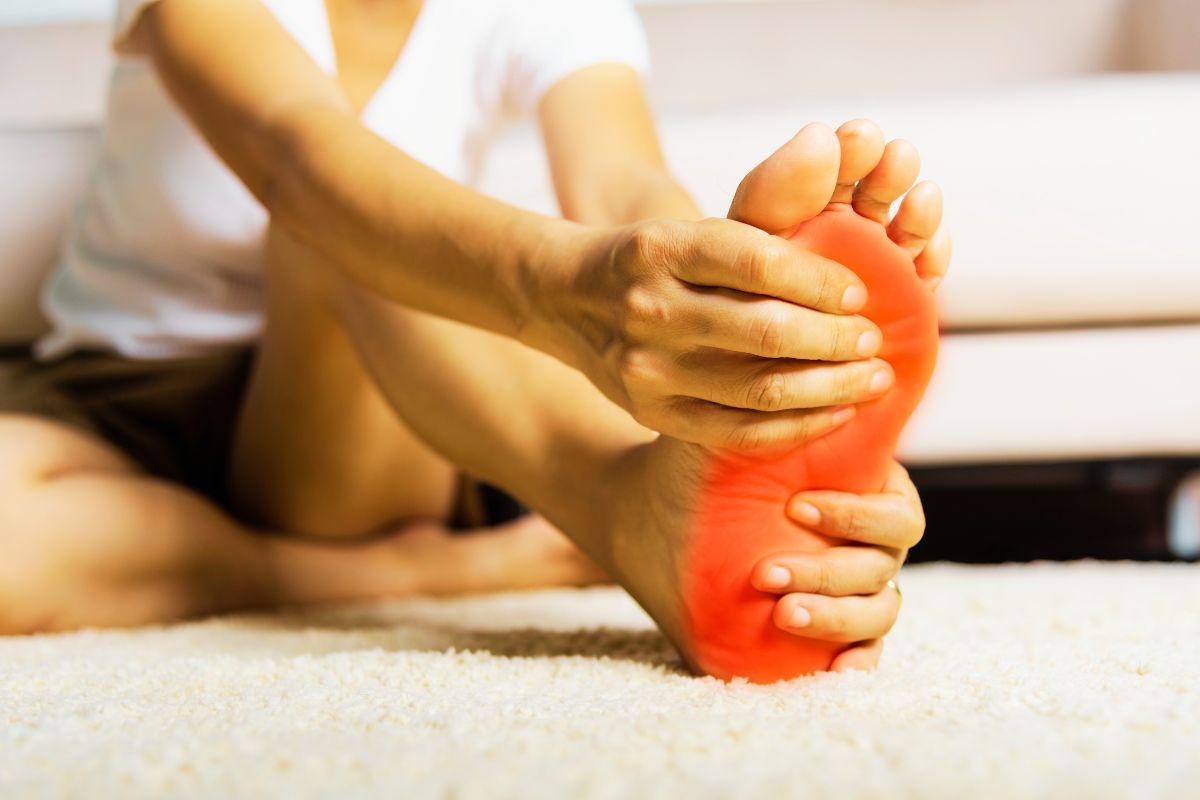
In a normal foot the inner border of the foot is raised off the floor in the middle to form the arch of the foot. The height of the arch varies from person to person. In pes cavus ,this height of the arch is increased more than normal. High arch foot is commonly associated with conditions like claw toes , weak calf muscles, tight tendo achilies,front and midfoot drawn downwards. Symptoms range from stiffness, tight tendo achiies,ankle sprains, callus formation,instability,metatarsalgia,hammer toes and weakness of calf. Causes range from family history to muscle dystrophy,musce weakness,spina bifida,charcoat marie tooth disease, polio and cerebral palsy to name a few. Treatment is started in initial stage in the form of braces, physiotherapy and orthosis. Surgical intervention is required in the rigid or non-flexible cases ranging from plantar fascia release, tendon transfers, osteotomy to arthrodesis.

Reasons Behind Cavus Foot
- Genetic predisposition—inherited foot structure
- Neuromuscular disorders (e.g., Charcot-Marie-Tooth disease, polio)
- Post-traumatic changes—after fractures or ligament injuries
- Tendon imbalances—tight Achilles tendon or weak peroneal muscles
- Overuse in athletes leading to adaptive arch formation
Treatment Options for Cavus Foot
- Custom orthotic insoles with shock-absorbing pads
- Supportive, cushioned footwear to distribute load evenly
- Physical therapy to stretch tight tendons and strengthen weak muscles
- Bracing or ankle–foot orthoses (AFOs) for balance support
- Nerve conduction studies if a neuromuscular cause is suspected
- Surgical correction (e.g., osteotomy, tendon transfers, lateral release) in severe or symptomatic cases
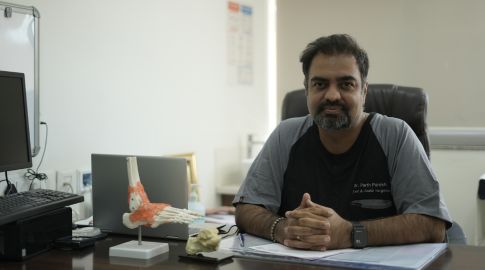
How Dr. Parth Parekh Can Help You
- Thorough evaluation including gait analysis, weight-bearing X-rays, and neuromuscular assessment
- Personalized non-surgical protocol using orthotics, braces, and PT
- Advanced minimally invasive and open surgical techniques to realign bone and correct tendon imbalance
- Comprehensive rehabilitation to restore function and prevent recurrence
- Expert care for athletes and active individuals to ensure safe return to sport
Experience balanced, pain-free steps—schedule your Cavus Foot consultation with Dr. Parth Parekh today and regain your stability!
Types of sports injuries
Some of the more common sports injuries include:

Ankle sprain
symptoms include pain, swelling and stiffness.

Cuts and abrasions
are usually caused by falls. The knees and hands are particularly prone.

Bruises
a blow can cause small bleeds into the skin

Stress fractures
Particularly in the lower limbs.