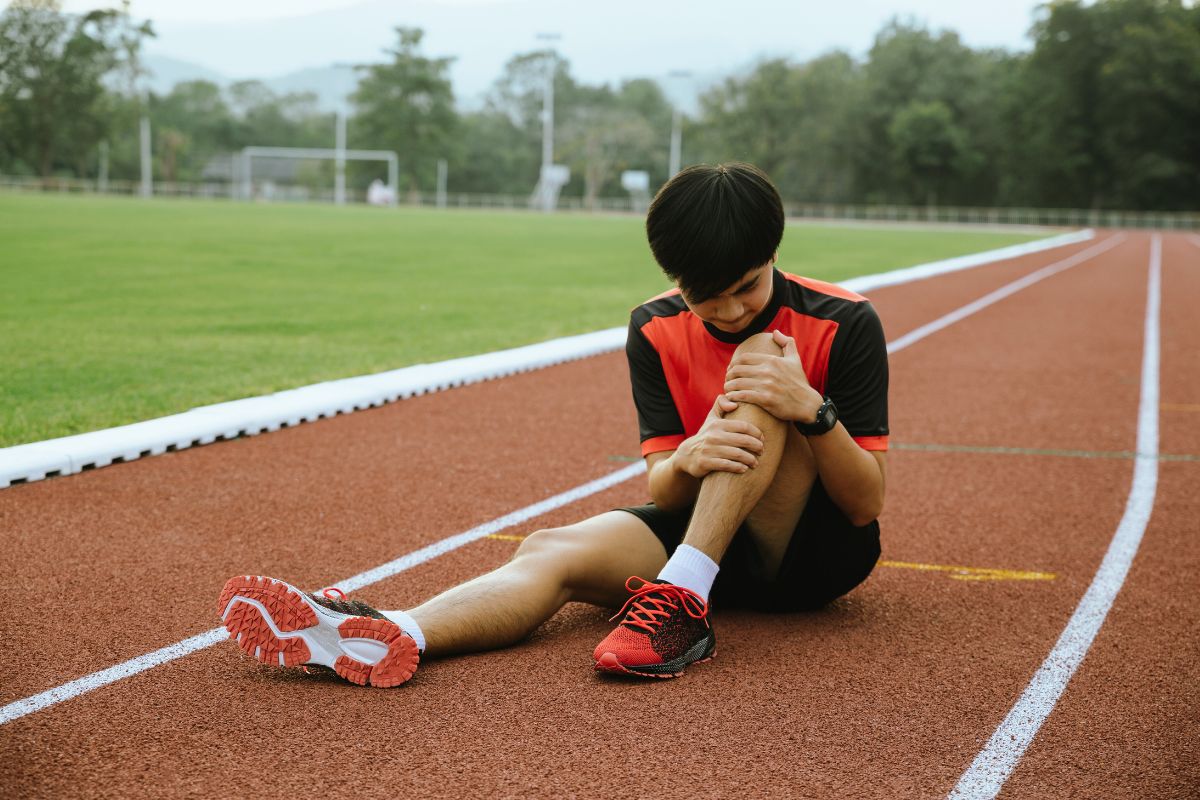
Sports injuries are commonly caused by overuse, direct impact, or the application of force that is greater than the body part can structurally withstand. There are two kinds of sports injuries: acute and chronic. An injury that occurs suddenly, such as a sprained ankle caused by an awkward landing, is known as an acute injury. Chronic injuries are caused by repeated overuse of muscle groups or joints. Poor technique and structural abnormalities can also contribute to the development of chronic injuries. Medical investigation of any sports injury is important, because you may be hurt more severely than you think.
Treatment for sports injuries
Treatment depends on the type and severity of the injury. Always see your doctor if pain persists after a couple of days. What you may think is a straightforward sprain may actually be a fractured bone. Physiotherapy can help to rehabilitate the injured site and, depending on the injury, may include exercises to promote strength and flexibility. Returning to sport after injury depends on your doctor’s or physiotherapist’s assessment. Trying to play before the injury is properly healed will only cause further damage and delay recovery. The biggest single risk factor for soft tissue injury is a previous injury. While the injury heals, you can maintain your fitness by choosing forms of exercise that don’t involve that part of your body, if possible.
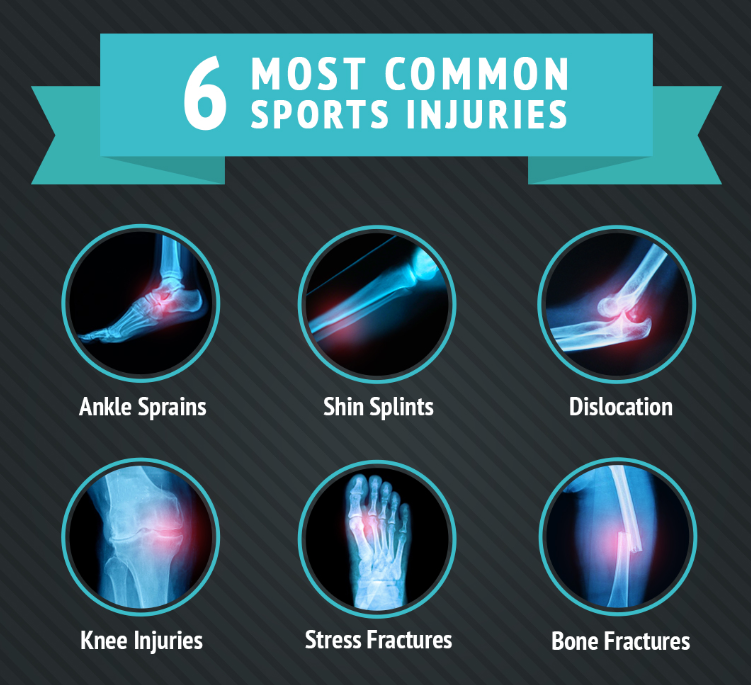
Types of sports injuries
Some of the more common sports injuries include:
- Ankle sprain – symptoms include pain, swelling and stiffness.
- Bruises – a blow can cause small bleeds into the skin.
- Concussion – mild reversible brain injury from a blow to the head, which may be associated with loss of consciousness. Symptoms include headache, dizziness and short term memory loss.
- Cuts and abrasions – are usually caused by falls. The knees and hands are particularly prone.
- Stress fractures – particularly in the lower limbs. The impact of repeated jumping or running on hard surfaces can eventually stress and crack bone.
Prevention of sports injuries
You can reduce your risk of sports injuries if you:
- Warm up thoroughly by gently going through the motions of your sport and performing slow, sustained stretches.
- Wear appropriate footwear.
- Tape or strap vulnerable joints, if necessary.
- Use the appropriate safety equipment, such as mouth guards, helmets and pads.
- Drink plenty of fluids before, during and after the game.
- Try to avoid exercising in the hottest part of the day, between 11 am and 3 pm.
- Maintain a good level of overall fitness, particularly in the off season (in the months between playing seasons for a sport).
- Cross-train with other sports to ensure overall fitness and muscle strength.
- Ensure training includes appropriate speed and impact work so muscles are capable of the demands of a game situation.
- Don’t exert yourself beyond your level of fitness. Gradually increase intensity and duration of training.
- Use good form and technique.
- Cool down after sport with gentle, sustained stretches.
- Allow adequate recovery time between sessions.
- Have regular medical check-ups.
Types of sports injuries
Some of the more common sports injuries include:

Ankle sprain
symptoms include pain, swelling and stiffness.

Cuts and abrasions
are usually caused by falls. The knees and hands are particularly prone.

Bruises
a blow can cause small bleeds into the skin

Stress fractures
Particularly in the lower limbs.