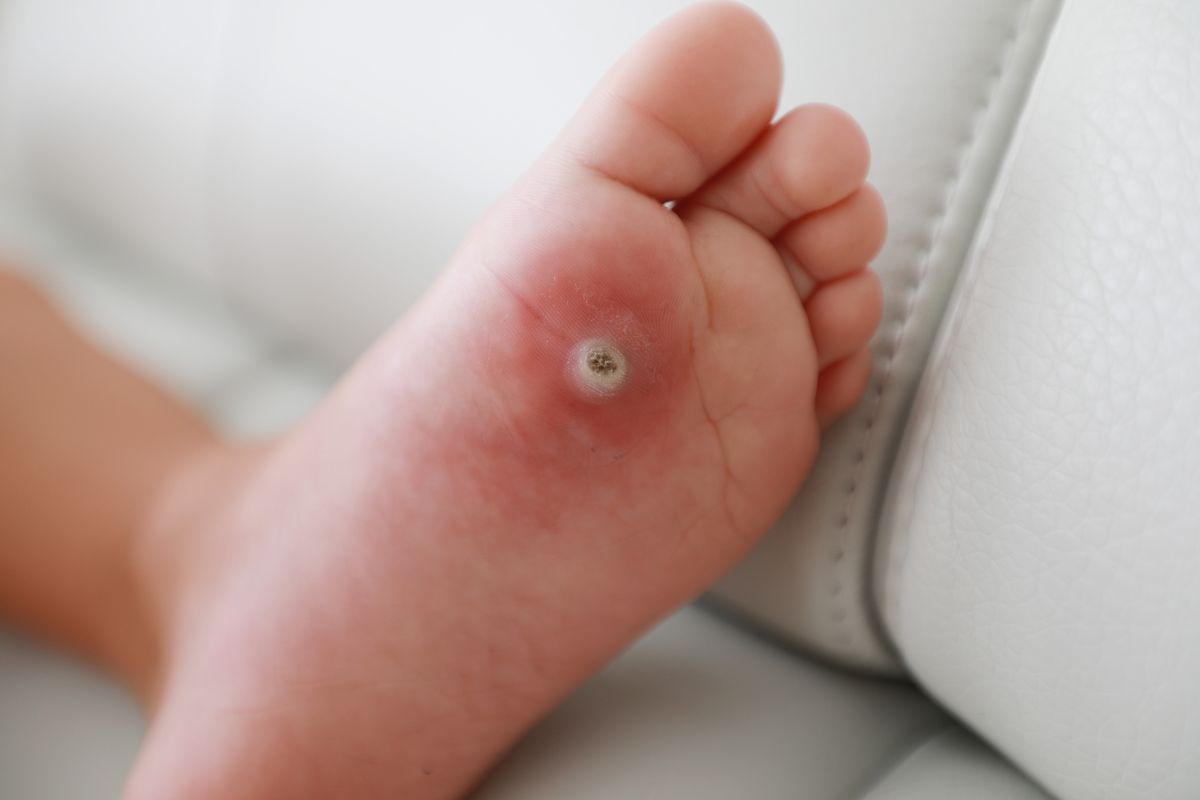
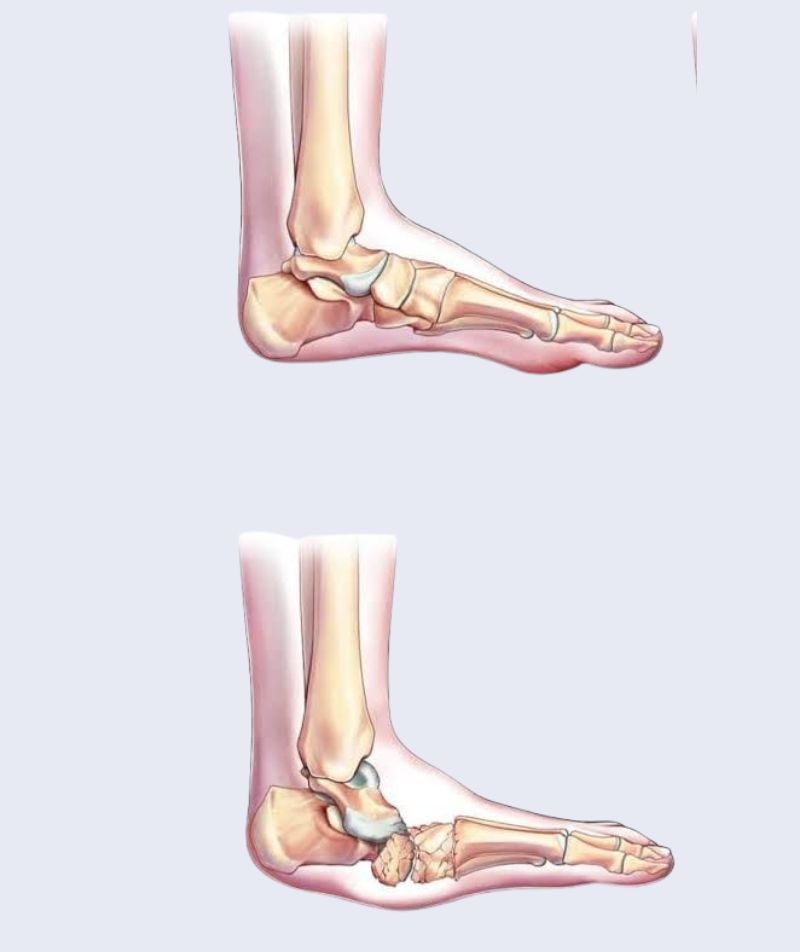
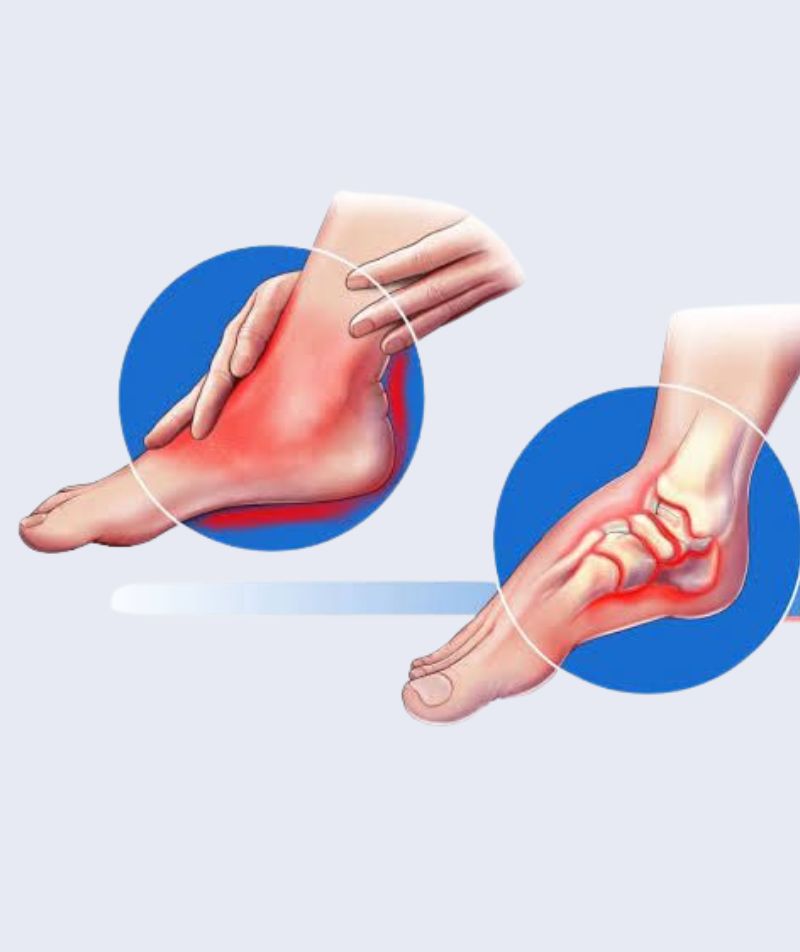
It is the weakness of the foot due to nerve damage (neuropathy).This weakness of bones may lead to fractures with continuous walking and eventually the foot changes shape. As the disorder progresses, the joints collapse and the foot takes an abnormal shape(rocker bottom appearance).This can further lead to deformity,disability,and even amputation. Diabetes is also associated with neuropathy. The cause of this condition is due to neuropathy leading to loss of sensation and ability to fell the temperature, pain and trauma. Sypmtoms vary from redness, swelling, warm to touch, stiffness etc. Diagnosis can be made by history taking and examination. Further diagnosis can be made with the help of xrays. Conservative treatment for initial stages can be tries from orthosis,custom shoes, activity modification,off loading casts etc Surgical mediation is necessary as the severity increases. Fusion of the collapsed or fracrtured bones is the mainstay for the treatment in terms of surgery.
Reasons Behind Charcot Foot
- Diabetic peripheral neuropathy, resulting in loss of protective sensation
- Autonomic neuropathy, causing increased blood flow and bone resorption
- Repetitive unnoticed trauma—walking on a numbed foot without protective reflexes
- Poor glycemic control, which accelerates nerve and vascular damage
- History of foot ulcers or infection weakening bone integrity
- Delayed diagnosis, allowing deformity to progress unchecked
Treatment Options for Charcot Foot
- Immobilization and total contact casting (TCC) to offload and allow bone healing
- Custom molded braces or walkers once casting phase is complete
- Non-weight-bearing protocols using crutches or wheelchairs during acute phase
- Custom orthotic footwear designed to accommodate deformity and redistribute pressure
- Bisphosphonates or anti-resorptive therapy in select cases to improve bone density
- Minimally invasive realignment procedures for stabilizing joints
- Complex reconstructive surgery (e.g., osteotomies, internal fixation, arthrodesis) for severe collapse
How Dr. Parth Parekh Can Help You
- Prompt, accurate diagnosis using weight-bearing X-rays, MRI, and bone scans
- Personalized offloading strategy—from casting to bracing—to halt progression
- Multidisciplinary coordination with endocrinologists, podiatrists, and vascular surgeons
- Advanced surgical reconstruction to restore foot architecture when needed
- Rigorous follow-up to monitor bone healing, prevent ulcers, and preserve mobility
Don’t let neuropathy lead to deformity book your Charcot Foot evaluation with Dr. Parth Parekh today and safeguard your steps!
Types of sports injuries
Some of the more common sports injuries include:

Ankle sprain
symptoms include pain, swelling and stiffness.

Cuts and abrasions
are usually caused by falls. The knees and hands are particularly prone.

Bruises
a blow can cause small bleeds into the skin

Stress fractures
Particularly in the lower limbs.